Why Is My Espresso Bitter? Common Causes and Fixes
Bitter espresso often comes from over-extraction, when water pulls too much from the coffee. Try a coarser grind or a shorter shot, then change one variable at a time.
On this page (8 sections)
- Why is my espresso bitter?
- How do grind size and shot time affect bitterness?
- Can an uneven coffee bed make espresso taste bitter?
- Could the beans or roast be the reason?
- Can dirty equipment make espresso bitter?
- How can I adjust a bitter shot without guessing?
- What if the espresso tastes both bitter and sour?
- How do you fix bitter espresso?
Bitter espresso often comes from over-extraction, when water pulls too much from the coffee. Try a slightly coarser grind or a shorter shot, then change one variable at a time so you can tell what helped.
A bitter taste can also come from dark-roasted or stale beans, old coffee oils on the machine, or an uneven coffee bed. Start with the easiest checks: use fresh beans, clean the parts your manual allows, and note how long the shot runs.
Why is my espresso bitter?
A shot that tastes harsh, dry, or sharply bitter may be over-extracted. Water may be flowing too slowly through a fine grind, or the shot may be running longer than your recipe calls for.
Bitterness can be part of coffee's natural flavor, especially with darker roasts. The goal is not to remove every bitter note, but to avoid a harsh taste that overwhelms the cup.
Taste the espresso before adding milk or sugar. Then write down the dose, yield, and shot time so you have a clear starting point for adjustments.
How do grind size and shot time affect bitterness?
A grind that's too fine can slow the shot and increase extraction. If your espresso drips slowly and tastes dry or bitter, try a small move coarser while keeping the other variables steady.
A shot that runs too long can also taste bitter. Compare your current timing with your usual recipe, since the right shot time depends on the coffee, dose, and target yield.
The guide to how to dial in espresso explains how to adjust grind and yield in a repeatable order. For a closer look at timing, see how long to pull an espresso shot.
What grind size can help fix bitter espresso?
Try a slightly coarser grind if the shot is slow and tastes bitter. Small adjustments are easier to judge than a large change that makes the espresso run too fast.
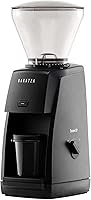
A grinder with many adjustment steps can help you make controlled changes. The Breville Smart Grinder Pro BCG820 has 60 settings and adjustable grind time in 0.2-second increments.
Use the guide to what grind size is right for espresso as a starting point, then adjust for your beans and machine. A number on a grinder isn't a universal setting.
Can an uneven coffee bed make espresso taste bitter?
Yes, uneven water flow can make parts of the coffee bed extract differently. The cup may taste both bitter and sour, or it may have a sharp, inconsistent finish from shot to shot.
Distribute the grounds evenly before tamping, and keep the tamper level. Avoid changing the grind and tamp at the same time, since that makes the result harder to read.
If you are unsure about your tamp, follow how to tamp espresso for a level, even puck. A scale can also help you repeat the dose and yield.
The Maestri House S2 Espresso Scale measures in 0.1 g increments and has automatic and manual timing modes. Consistent measurements make it easier to spot whether a change to the grind or shot length affected the taste.
Could the beans or roast be the reason?
Yes, some coffees naturally taste more bitter, especially darker roasts. If the shot flows at your usual pace but still tastes harsh, try a different roast before changing several machine settings.
Coffee that has been open for a long time can taste flat or stale. Store beans sealed away from heat, light, and moisture, and grind them shortly before brewing.
Change one thing at a time: first try fresher beans or a different roast, then revisit the grind if bitterness remains. This helps separate the coffee's flavor from a brewing issue.
Can dirty equipment make espresso bitter?
Coffee oils and residue can build up on the group head, basket, and portafilter, affecting flavor. Clean those parts on the schedule and with the method your machine's manual recommends.
The Urnex Cafiza tablets are formulated to clean coffee residue and oils from espresso machine group heads, valves, and lines. Urnex recommends them as part of a daily backflush regimen.
Follow your machine manual for the correct cleaning procedure and amount. Don't backflush a machine that doesn't support it, and don't put cleaning tablets into parts the manual excludes.
For routine maintenance, see how often to descale an espresso machine. Descaling addresses mineral buildup and is different from removing coffee oils.
How can I adjust a bitter shot without guessing?
Keep the dose steady, note the yield and time, then change one variable. If the shot is slow and bitter, try a small move coarser; if it runs much longer than your recipe, stop it sooner and compare.
Use this simple sequence:
- Taste the shot before adding milk.
- Check that the coffee is fresh and the machine parts are clean.
- Record the dose, yield, and time.
- Make one small grind adjustment.
- Pull another shot and compare the taste and flow.
A scale can make the dose and yield easier to repeat, while a timer helps you compare shot length. Don't chase a specific time if the espresso tastes balanced and your recipe works for your setup.
What if the espresso tastes both bitter and sour?
A bitter and sour cup can point to uneven extraction. Water may be flowing through some parts of the coffee bed faster than others, leaving different flavors in the same shot.
Check whether the puck is level and the grounds are evenly distributed. Then make one small adjustment to grind or preparation and repeat the shot.
The guide to why espresso tastes sour covers common causes and fixes for the sharp, sour side of this problem. Avoid changing grind, dose, tamp, and yield all at once.
How do you fix bitter espresso?
To fix bitter espresso, start with a clean machine, fresh beans, and a steady dose. If the shot runs slowly, try a slightly coarser grind; if it runs too long, shorten it and compare.
Choose the Breville grinder if you want many grind settings for small adjustments. Choose the Maestri House scale if you need help repeating dose, yield, and timing, or the Urnex tablets if your machine's manual allows this cleaner.
Make one change per shot and keep notes. If the result turns thin or sour, move back toward your previous setting and adjust in smaller steps.
Frequently asked questions
Why is my espresso bitter and harsh?
A bitter, harsh shot often points to over-extraction, which can happen when the grind is too fine, the shot runs too long, or the coffee bed is uneven. Make one adjustment at a time, such as grinding a little coarser, and compare the taste while keeping the dose and yield steady.
Does a longer espresso shot taste more bitter?
It can. As water continues through the coffee bed, it extracts more compounds, and a long shot may taste dry or bitter.
Shot time alone doesn't prove the cause, so track the dose, yield, grind, and taste together before changing your recipe.
Can dirty espresso equipment make coffee bitter?
Yes, old coffee oils and residue in the group head, basket, or portafilter can add stale or harsh flavors. Clean the parts your machine manual allows, and follow its instructions for backflushing and cleaning products.
A rinse alone may not remove built-up oils.
Should I use a coarser grind if espresso tastes bitter?
A slightly coarser grind is a useful first change when a shot is slow and tastes bitter or dry. Keep the dose and target yield the same for the next shot so you can judge the effect.
If it then tastes thin or sour, adjust in smaller steps.