What Grind Size Is Right for Espresso?
Start with a fine grind, around the texture of table salt, then adjust it to match your beans and shot time. If espresso runs too fast, grind finer; if it drips or stalls, grind coarser.
On this page (7 sections)
- What grind size for espresso should you start with?
- How do you adjust grind size for shot flow?
- Which grinder features help with espresso grind size?
- Does every espresso machine need the same grind size?
- Why does espresso grind size change between beans?
- How can you dial in espresso without wasting coffee?
- Which grind size is right for your espresso?
Start with a fine grind, around the texture of table salt, then adjust it to match your beans and shot time. If espresso runs too fast, grind finer; if it drips or stalls, grind coarser.
There isn't one setting that works for every grinder, bean, basket, and machine. Use a starting point, keep your dose and tamp steady, and make small grind changes until the shot flows well and tastes balanced.
What grind size for espresso should you start with?
Start fine enough for a slow, steady espresso flow, then adjust from there. A useful visual cue is grounds that feel close to table salt, though the same numbered setting can produce different results on different grinders.
Use fresh whole beans if possible, and grind just before brewing. Follow your machine's guidance for dose and basket, since the amount of coffee and basket type also affect how quickly water passes through the coffee.
If you use a pressurized basket, you may have more room to adjust without grinding as finely as a non-pressurized basket often needs. Our guide to pressurized and non-pressurized espresso baskets explains how the basket changes your setup.
How do you adjust grind size for shot flow?
Change one small grind step at a time and watch how the next shot flows. Keep the dose, distribution, and tamp as consistent as you can so you can tell whether the grind change helped.
- If the shot gushes or finishes too quickly, adjust finer.
- If the shot drips very slowly or stalls, adjust coarser.
- If flow is steady but the taste is sharp or sour, check the grind and other variables before changing several things at once.
Grind settings are not universal. A number on one grinder won't necessarily match the same number on another, and you may need a new setting when you switch beans.
Our guide to dialing in espresso on a home machine walks through the adjustments in order. For timing context, see how long an espresso shot should take, but use flow and taste alongside time.
What if the espresso is sour or bitter?
Sour espresso can mean the coffee extracted too quickly, while bitterness can have several causes. Adjust the grind in small steps, then check whether the shot's flow and taste improve before changing the dose or tamp.
A finer grind may slow extraction when the shot is rushing through the coffee. If a shot is bitter, grinding coarser may help when it is flowing too slowly, but taste alone doesn't identify every cause.
See simple fixes for sour espresso and common causes of bitter espresso for other factors to check.
Which grinder features help with espresso grind size?
Choose a grinder with espresso-suitable adjustment and enough control for small changes. Burr grinders designed for espresso can make it easier to work through a fine range than grinders with only broad settings.
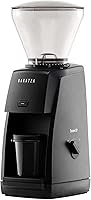
The Baratza Encore ESP has micro-steps from 1 to 20 for espresso grinding, plus a separate range from 21 to 40 for filter brewing. Its hopper twist adjusts the setting, and the quick-release burr system is designed for easier removal during cleaning.
The Breville Smart Grinder Pro offers 60 settings and lets you adjust grind time in 0.2-second increments. Its LCD displays the grind setting, grind time, and selected shot or cup amount.
SHARDOR's conical burr grinder has 51 settings, with adjustment from fine espresso to coarse French press. Its electronic timer adjusts in 0.1-second increments, and the portafilter cradle lets you grind into a portafilter.
The Breville Barista Express combines an espresso machine with an integrated conical burr grinder and a grind size dial. It grinds directly into the portafilter, so it may suit you if you want the grinder built into the machine.
To compare separate grinder options in more detail, see coffee grinders for espresso beginners and espresso grinders versus regular coffee grinders.
How fine should espresso grind be on a new grinder?
Begin near the fine end of the espresso range, then let the shot guide the next change. Start with the grinder instructions rather than copying a setting from another model.
Make a small change, grind a fresh dose, and pull another shot. If the result moves in the right direction but still runs too fast or slow, keep adjusting in small steps.
Does every espresso machine need the same grind size?
No, the right grind depends on the machine, basket, coffee, and grinder. Even two machines using the same beans may need different settings if their baskets or dose sizes differ.
A non-pressurized basket relies more on the coffee bed for resistance, so grind and puck preparation affect flow. A pressurized basket creates resistance through its design and can be more forgiving of variations in grind.
Use the machine manual for basket and dose guidance, then tune the grind to your setup. For help with the other parts of puck preparation, read how to tamp espresso evenly.
Why does espresso grind size change between beans?
Different beans can call for different grind settings because they don't all extract at the same rate. When you open a new bag, treat your old setting as a starting point rather than a fixed rule.
Keep a simple note of the bean, grinder setting, dose, and shot result. That record helps you repeat a setting that worked and makes it easier to see what changed when a new bag behaves differently.
If you change both the coffee and grind setting at once, it can be harder to tell what improved the shot. Adjust the grind first, then change another variable only if needed.
How can you dial in espresso without wasting coffee?
Use small adjustments and repeat the same basic recipe while you tune. Consistent dose, tamp, and basket use help you learn what each grind change does.
- Start with a fine setting and the dose recommended for your basket.
- Pull a shot and watch whether it gushes, flows steadily, drips, or stalls.
- Adjust the grind one small step in the direction the flow suggests.
- Pull another shot with the same dose and preparation.
- Note the setting and result once the flow and taste suit you.
Don't make several grind changes at once. If the grinder has a timer, remember that grind time affects how much coffee you dispense, so check your dose as you adjust.
Which grind size is right for your espresso?
For espresso, choose a fine starting point and tune it to the shot, rather than relying on a universal setting. Grind finer when flow is too fast and coarser when it drips or stalls, changing one small step at a time.
A grinder with a dedicated espresso range can help you make those adjustments. If you want a guided process from the first shot through the final setting, follow our home espresso dial-in guide.
Frequently asked questions
How fine should espresso grind be?
Start fine, near the texture of table salt, but use the shot flow and taste to find the right setting for your beans and basket. If the shot gushes or finishes too quickly, adjust finer.
If it only drips or stalls, adjust coarser, one small step at a time.
What grind size should I use for a pressurized basket?
A pressurized basket can work with a wider range of grind sizes than a non-pressurized basket, so start with a fine setting and adjust by taste and flow. Check your machine instructions, since basket design and the coffee you use affect the best starting point.
Why is my espresso still running fast on a fine setting?
Check that the grinder is suitable for espresso and that the basket, dose, and tamp are consistent before making another grind change. A pressurized basket, stale beans, or uneven coffee distribution can change flow, so adjust one factor at a time.
Should I change grind size for different coffee beans?
Yes, different beans can need different grind settings, even when you keep the dose and basket the same. Start with your current setting, pull a shot, and make a small adjustment based on flow and taste.
Record settings that work so you can return to them.