How to Dial In Espresso on a Home Machine
To dial in espresso at home, weigh the coffee, time the shot, and adjust grind size in small steps until the taste and flow suit you. Keep the dose and puck prep steady while you change one thing at a time.
On this page (9 sections)
- What does it mean to dial in espresso?
- How do you set a starting espresso recipe?
- How should you adjust grind size?
- What should you change if espresso tastes sour?
- What should you change if espresso tastes bitter?
- How does puck preparation affect dialing in?
- Can your machine affect the dialing-in process?
- How many shots should you pull while dialing in?
- What is the simplest way to dial in espresso?
To dial in espresso at home, weigh the coffee, time the shot, and adjust grind size in small steps until the taste and flow suit you. Keep the dose and puck prep steady while you change one thing at a time.
Start with the coffee and basket instructions for a basic recipe. Then use the shot's taste and flow to guide small changes, since grind setting numbers vary between grinders and coffees.
What does it mean to dial in espresso?
Dialing in espresso means adjusting the grind and recipe so a shot tastes balanced to you. The same coffee can behave differently after a change in grind, dose, freshness, or puck preparation.
A repeatable starting point makes each adjustment easier to judge. Record the coffee, dose, yield, time, and grinder setting for each attempt.
What numbers should you track when dialing in espresso?
Track dose, yield, shot time, and grind setting. Dose is the dry coffee going into the basket, while yield is the espresso collected in the cup.
Use the same scale and cup for each attempt. A timer helps you compare flow, but don't chase a particular time if the coffee tastes good and your machine's instructions give a different target.
The Maestri House S2 Espresso Scale measures in 0.1 g increments and has manual and automatic timing modes.
Use the machine manual and coffee guidance to choose a starting dose and yield. Basket size and coffee style affect the recipe, so there isn't one number that suits every setup.
How do you set a starting espresso recipe?
Use the basket and coffee guidance as your first recipe, then keep the dose steady while you observe the shot. If you don't have a recipe, check the machine manual or ask the coffee roaster for a starting point.
Weigh the dry coffee into the basket and distribute it evenly before tamping. Place the cup on the scale, tare it, start the shot, and stop at the target yield.
Write down the grinder setting and elapsed time. Taste the espresso after it cools enough to sip comfortably, since heat can mask some flavors.
For a repeatable tamp, follow our guide to tamping espresso level and evenly. If you're unsure which grind setting to use, our espresso grind size guide explains how to make a starting adjustment.
How should you adjust grind size?
Change grind size first when the shot is too fast or too slow, while keeping dose and puck prep the same. Finer settings usually slow water through the coffee; coarser settings usually speed it up.
Make a small move, then pull another shot with the same dose and target yield. Grinder numbers aren't standardized, so treat each setting as a reference for that grinder and coffee.
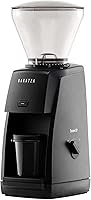
The Baratza Encore ESP has micro-steps from 1 to 20 for espresso grinding and macro-steps from 21 to 40 for other brewing methods.
A new coffee may need a different setting, even if you use the same grinder and machine. Make a note when you switch beans, then adjust from the new shot's taste and flow.
What should you change if espresso tastes sour?
If the shot tastes sharp and sour, try grinding a little finer and keep the dose and yield consistent. A slow, small adjustment lets you tell whether the change helped.
Sourness can also come from coffee choice or uneven puck preparation. Distribute the grounds evenly, tamp level, and repeat the shot before changing another part of the recipe.
For more possible causes and adjustments, see why espresso can taste sour. If the shot time is also unusually short, compare your result with our guide to how long to pull an espresso shot.
What should you change if espresso tastes bitter?
If the shot tastes harsh or bitter, try a slightly coarser grind while keeping your dose and yield the same. Pull another shot and taste it before making a second adjustment.
A long-running shot can be a clue, but time alone doesn't identify the cause. Check that your puck is level and evenly prepared, and use the same cup and recipe for the comparison.
Our guide to common causes of bitter espresso walks through other adjustments. If the shot tastes balanced already, there's no need to change the recipe just to match a generic time target.
How does puck preparation affect dialing in?
Even distribution and a level tamp help make your shot easier to compare. Uneven coffee can let water pass through some areas faster than others, which makes grind adjustments harder to interpret.
A WDT tool stirs the grounds to break up clumps before tamping. The MEION tool has 7 stainless steel needles, plus 7 replacements, and removable needles.
Use a light, consistent motion and avoid spilling grounds over the basket edge. Then tamp level; changing distribution, tamping, and grind at once makes it hard to tell which change affected the shot.
Can your machine affect the dialing-in process?
Yes, machine controls and basket type shape your starting point, so follow the machine manual and use the basket that matches your coffee and skill level. A pressurized basket can behave differently from a non-pressurized one.
The Breville Bambino BES450 includes single-wall and dual-wall filter baskets, along with a portafilter and tamper. Breville says its machine uses low-pressure pre-infusion and digital temperature control.
If you're choosing an entry-level machine, read espresso machines for beginners before deciding what features matter. Keep the machine's recommended dose and preparation steps in mind when comparing shots.
How many shots should you pull while dialing in?
Pull one shot per change, and stop when the taste is balanced for you. If you change grind, dose, and yield together, you won't know which adjustment made the difference.
A simple log can be as short as: coffee name, grinder setting, dose, yield, time, and a few taste words. Repeat the same recipe after cleaning or making a large grinder adjustment.
What is the simplest way to dial in espresso?
For a reliable routine, weigh a consistent dose, prepare the puck evenly, time the shot, and adjust grind in small steps. Use taste and flow together, and keep notes so the next shot starts closer.
Choose a scale if you need clearer dose and yield measurements, and a grinder with small espresso adjustments if grind changes are hard to control. Start with our espresso grind size guide when you need help choosing the next setting.
Frequently asked questions
How do you dial in espresso at home?
Start with the dose and yield recommended for your basket and coffee, then time the shot and taste it. If it runs too quickly and tastes thin or sour, grind finer; if it runs too slowly and tastes harsh or bitter, grind coarser.
Change one variable at a time and repeat.
How long should it take to pull an espresso shot?
Shot time is a useful comparison point, not a universal target. Follow your coffee or machine guidance for a starting recipe, then judge the result by taste and flow.
Keep dose and yield steady while adjusting grind, and see our guide to espresso shot time for more.
Should espresso taste sour or bitter?
A sharp, sour taste can mean the coffee is under-extracted, while a harsh, bitter taste can point to over-extraction, though roast and coffee choice matter too. Adjust grind in small steps and taste again.
If sourness persists, use our simple fixes for sour espresso.
Does a finer grind make espresso slower?
Usually, a finer grind slows water as it moves through the coffee, while a coarser grind lets it pass more easily. Make small adjustments because a large change can make the shot run too slowly or too quickly.
Keep the dose and puck prep consistent so you can judge the effect.