Why Is My Espresso Sour? Simple Fixes to Try
Sour espresso usually needs more extraction. Try grinding finer or pulling the shot longer, changing one variable at a time so you can tell what helped.
On this page (7 sections)
Sour espresso usually means the shot is under-extracted, so try grinding finer or letting it run longer. Change one setting at a time, keep your dose steady, and taste again before making another adjustment.
A bright, fruity espresso can have some acidity by design. The issue is a sharp, thin, or unpleasant sourness that overwhelms the other flavors.
Why is my espresso sour?
A sour shot often hasn't dissolved enough of the coffee's flavor compounds. Water may have passed through too quickly, or the grind, dose, yield, and brewing conditions may not suit those beans.
A useful first step is to note how much coffee you use, how much espresso you get, and how long the shot takes. Then adjust one variable, pull another shot, and compare.
If you need a repeatable starting point, follow how to dial in espresso on a home machine. That guide can help you make controlled changes instead of guessing at several settings together.
How do you fix sour espresso?
Start by grinding a little finer, then pull another shot with the same dose and target yield. If it still tastes sharply sour, try a slightly longer shot or review the other brewing variables.
Make small adjustments. A large change can take the shot from sour to bitter, so keep notes about what you changed and how the cup tasted.
Should you grind finer?
Yes, try a small move finer if the shot runs quickly or tastes thin and sharp. A finer grind can slow water flow and give the coffee more contact time with water.
If the shot slows too much, drips unevenly, or tastes dry and harsh, move back coarser. The right setting depends on the beans, grinder, basket, and machine.
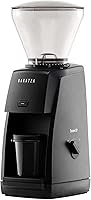
The Baratza Encore ESP has micro-steps from 1 to 20 for espresso grinding, giving you small grind adjustments to try.
Use a grinder adjustment as one test, not a guarantee of a particular flavor. If your machine has a built-in grinder, try its next-finer setting first.
Should you pull the shot longer?
A longer shot can help when the current one tastes sour and finishes quickly. Keep the dose the same, let a little more espresso collect, and taste the result.
Don't chase a time target by itself. Coffee, grind, basket, and machine settings all affect how long a shot takes; use taste and consistency together.
See how long you should pull an espresso shot for more on shot timing. If a longer shot becomes weak or bitter, adjust the grind or yield rather than simply extending it again.
How do dose and yield affect sourness?
Dose and yield affect how concentrated the shot is and how much flavor water extracts. Keep them steady while you test grind size, then change one if the shot still needs adjustment.
A scale with a timer can help you repeat a dose and measure the espresso in your cup. The Maestri House S2 measures in 0.1 g increments and has automatic and manual timing modes.
Place the scale securely beneath your cup, and check that it fits your machine's drip tray. If you already have a scale that measures small changes, use that before buying another.
Don't treat a particular dose-to-yield ratio as a rule for every coffee. Use a repeatable starting point from your beans or machine instructions, then adjust for taste.
Could your machine or basket be part of the problem?
A machine's grind, dose, and temperature settings can all affect extraction. Check that you're using the right basket and that the machine has reached its brewing temperature before pulling a shot.
The Breville Barista Express Impress has 25 grind settings, adjustable brew temperature, and preset single or double shots. Its assisted tamping and dosing features can help keep puck preparation more consistent while you troubleshoot.
If you change temperature, grind, and dose together, you won't know which change affected the flavor. Keep a short note for each shot and adjust one setting at a time.
A pressurized basket and a non-pressurized basket can behave differently. Read pressurized vs non-pressurized espresso baskets if you aren't sure which type you have.
Can coffee beans make espresso taste sour?
Yes, the beans influence the flavors you taste, and some coffees naturally have a brighter, fruitier profile. A sour taste isn't always a brewing mistake, especially if the cup also tastes sweet and balanced.
Try the same brewing recipe with another coffee if you're unsure whether the flavor comes from the beans or your settings. Keep your grind and dose consistent during the comparison.
Store beans sealed and away from heat, light, and moisture. If their aroma is unpleasant or they show signs of contamination, don't use them.
How do you know when the adjustment worked?
The shot is closer when its acidity tastes balanced with sweetness and other flavors. It should no longer taste sharply sour or thin, though the ideal flavor depends on the coffee.
Compare one change at a time and write down the setting, dose, yield, and approximate shot time. If the shot becomes harsh or drying, undo the last change or move in the opposite direction.
What should you try next for sour espresso?
For a sour espresso, start with a small move finer and keep your dose and target yield steady. If that doesn't help, try a slightly longer shot, then check the basket and machine settings.
Use a grinder with espresso adjustments if grind size is hard to control, or a scale if you can't repeat your dose and yield. For the next steps, read what grind size is right for espresso and compare the result with common causes of bitter espresso.
Frequently asked questions
How do I fix sour espresso?
Sour espresso often improves when you extract more from the coffee. Keep the dose and yield steady, then grind a little finer or let the shot run longer.
Change one setting at a time and taste again, since changing several things at once makes the result harder to judge.
Does sour espresso mean the grind is too coarse?
It can. A coarse grind may let water pass through quickly and leave the shot under-extracted, which can taste sharp or sour.
Try a small move finer, then pull another shot with the same dose and target yield to see whether the flavor becomes more balanced.
Can fresh coffee make espresso sour?
Coffee freshness can affect how a shot behaves, but sourness alone doesn't prove the beans are too fresh or stale. Keep the coffee, dose, and other settings consistent while you adjust grind and shot yield.
Store beans in a sealed container away from heat, light, and moisture.
Is sour espresso safe to drink?
A sour taste by itself is usually a flavor issue, not a sign that espresso is unsafe. If the coffee smells moldy, has visible contamination, or was stored poorly, discard it.
For ordinary sharp or tart flavor, adjust the brew and check whether the next shot tastes more balanced.