Espresso Machines for Beginners: Where to Start
The right espresso machine for beginners depends on how much control you want: choose a guided machine for simpler drinks, or a semi-automatic setup if you want to adjust the grind, dose and shot. Check counter space, milk features and grinder needs before you decide.
On this page (5 sections)
An espresso machine for beginners should match your preferred level of control. A guided machine can simplify the steps, while a semi-automatic model gives you more practice with grinding, dosing, tamping and shot timing.
Before choosing, think about the drinks you make, the counter space you can spare and whether you want to grind beans yourself. Those choices shape the setup more than a pressure number on a box.
If you're still comparing features, start with our guide on how to pick an espresso machine as a beginner. The sections below explain the main machine styles, grinder choices and first skills to learn.
Which espresso machine style suits a beginner?
Choose a guided machine for fewer decisions, or a semi-automatic for more control. Both can make espresso at home, but they ask different things of you during each drink.
| Style | What you do | Good fit if |
|---|---|---|
| Guided or assisted | Follow prompts or select a drink setting; some models handle grinding and dosing | You want help with several steps |
| Semi-automatic | Grind, dose, tamp and start the shot yourself | You want to learn how espresso variables affect the cup |
| Machine with built-in grinder | Keep grinding and brewing in one appliance | You want fewer separate items on the counter |
| Machine without a grinder | Pair the brewer with a separate grinder or use suitable pre-ground coffee | You want to choose the grinder separately |
“Beginner friendly” can mean a simple button sequence, clear feedback or a setup that teaches you the process. Decide which of those would help you most.
The easiest espresso machines to use guide focuses on simpler workflows. If you want to understand the manual route, compare the best semi-automatic espresso machines.
Do you need a built-in grinder?
A built-in grinder saves a separate appliance, while a separate grinder lets you choose it on its own. Either route can work for a first setup; the right choice depends on space and how much control you want over grind adjustment.
Espresso needs a grind fine enough for the machine and basket to produce a suitable shot. With a separate grinder, you can adjust grind size without changing the espresso machine.
A built-in grinder can make the workflow feel more contained. The Ninja Luxe Café Premier includes a conical burr grinder with 25 settings, while the AMZCHEF machine combines an espresso brewer with 44 grind settings.
A separate grinder adds another item to fit and clean. For more on the trade-off, read espresso grinder vs coffee grinder.
What should you check before choosing a beginner machine?
Check the workflow, footprint and milk setup before focusing on pressure claims. These practical details affect whether the machine fits your kitchen and the drinks you want to make.
Will the machine fit your counter?
Measure the space where the machine will sit, including room to fill its water tank and work at the front. Check the machine's outside dimensions and leave room for any accessories you plan to keep nearby.
Compact designs can help in a small kitchen, but you still need a place for a grinder, coffee and a cup. If space is tight, compare our small, affordable espresso machine picks.
How much control do you want over each shot?
A semi-automatic machine asks you to prepare the coffee and start the shot. That gives you room to adjust your process, but you may need practice to get repeatable results.
Some machines add features that guide or simplify those steps. The Ninja Luxe Café Premier includes assisted grinding, weight-based dosing and assisted tamping; the Breville Bambino has single- and double-cup settings, low-pressure pre-infusion and digital temperature control.
Do you want to make milk drinks?
If lattes and cappuccinos are part of your routine, check how the machine steams or froths milk. A steam wand adds a skill to learn, while a guided frothing system may reduce the number of manual steps.
The Breville Bambino has an automatic steam wand with adjustable milk temperature and texture. The CASABREWS CM5418 has a steam wand for frothing, and its instructions say to let the machine cool after frothing before brewing coffee.
If you choose a steam wand, our guide explains how to froth milk for a latte or cappuccino. You can also read how to make a latte with an espresso machine.
What does the pressure number tell you?
A pressure number by itself does not explain the whole brewing process. Consider it alongside the machine's controls, basket, grinder and instructions rather than treating the highest number as an automatic advantage.
The CASABREWS CM5418 lists a 20-bar pump and has a pressure gauge. That gauge can give you visual feedback as you work, but it does not remove the need to use suitable coffee preparation and adjust your shot.
Our guide to how many bars of pressure you need for espresso explains what to consider before making pressure a deciding factor.
How do you make your first espresso shots?
Start with one coffee and a repeatable routine, then adjust one variable at a time. A consistent starting point makes it easier to tell what changed when a shot tastes or flows differently.
- Read the machine's instructions and prepare its basket and portafilter as directed.
- Use coffee suited to espresso and grind it for the machine and basket.
- Dose the coffee and tamp it level if your setup calls for tamping.
- Start the shot and observe how it flows.
- Change the grind or another variable in small steps, then try again.
A shot that runs too quickly or slowly may need a grind adjustment. The right change depends on the coffee, dose, basket and machine, so avoid changing several things at once.
For a step-by-step routine, follow our guide to dialing in espresso on a home machine. If the shot tastes sour or bitter, these guides cover common causes of sour espresso and common causes of bitter espresso.
Which beginner setup should you choose?
Pick the setup that fits your daily routine and the amount you want to learn. A guided all-in-one can reduce separate steps, while a compact semi-automatic gives you a direct path to practicing espresso.
- Choose the Ninja Luxe Café Premier if you want espresso, drip coffee and cold brew in one machine with assisted grinding and frothing.
- Choose the Breville Bambino if you want a compact semi-automatic with cup settings and an automatic steam wand.
- Choose the CASABREWS CM5418 if you want a compact semi-automatic with a steam wand and pressure gauge.
- Choose the AMZCHEF if you want a machine with a built-in grinder and adjustable grind and temperature settings.
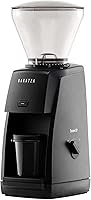
- Choose the Baratza Encore ESP if you want a separate grinder with espresso-focused micro-steps.
For your next step, compare espresso machines for everyday home use and choose the workflow that suits your counter, drinks and willingness to practice.
Frequently asked questions
What is the easiest espresso machine for a beginner?
A guided machine can be the easiest place to start if you want help with grinding, dosing and tamping. The Ninja Luxe Café Premier includes Barista Assist Technology and a built-in grinder, while a semi-automatic machine such as the Breville Bambino leaves more of those choices to you.
Do beginners need a separate espresso grinder?
A separate grinder is useful if your machine does not include one and you want to use whole beans. Choose a grinder with espresso-focused adjustment, such as the Baratza Encore ESP, or consider a machine with a built-in grinder to keep the setup simpler.
Is a 20-bar espresso machine better for beginners?
A larger bar number alone does not tell you how easy a machine is to use or how good a shot will taste. Look at the machine's workflow, basket options, grinder and instructions, then learn how to adjust the grind and shot together.
Should a beginner choose a machine with a steam wand?
Choose a steam wand if you plan to make milk drinks and are willing to learn the extra step of steaming. For a simpler routine, focus first on espresso and add milk with a separate method, or choose a model with guided or automatic frothing.
What should I learn first on a home espresso machine?
Start by making one repeatable shot with the same coffee dose and grind, then change one variable at a time. Learn to adjust grind size when the shot runs too quickly or slowly, and practice tamping level before adding milk drinks to your routine.